


A Wildlife and Kayaking Guide
Following an up-close chance encounter with a Minke whale off the Scottish coast last summer whilst paddling my sea kayak, the magical experience left me wondering about the relationship between wildlife and kayaking and what sort of impact we have, as paddlers, upon the creatures that inhabit our watery playground?
Clitheroe Canoe Club’s principal ethos aims to help broaden the practical knowledge and paddling skills of each member. Importantly, we also practice and promote responsible canoeing, kayaking and paddleboarding. As responsible paddlers one of our key aims is responsible paddling around wildlife and limiting our environmental impact whilst out on the water.
Although paddlesport is widely acknowledged as having a light footprint, we are aware of the importance of respecting our natural environment and protecting our native species. So we have respect for our wildlife and kayaking remains a fun activity at the same time.
In this Blog we’re going to explore our impact upon the amazing wildlife we’re most likely to encounter during our outdoor adventures, and share simple steps for reducing that impact
Kayaking Near Seals: How to Paddle Respectfully

When paddling at sea one of the most common encounters we’re likely to enjoy might be with a seal. These amazing creatures come in two main types found in large numbers around the shores of the British Isles – the Common (harbour) seal and the Grey seal. The Grey seal is globally rare, so we really need to look after these guys.
Human disturbance, including water craft, drones and coastal activities, can disturb seals, especially at their haul-out, foraging and breeding sites. Kayaking near seals can cause disturbance, forcing them to flee into the water or be displaced, leading to increased stress, energy expenditure, injury and premature death.
Frequent disruption when kayaking near seals can interfere with rest, digestion, breeding and nurturing pups. Continuous human disturbance, whether through kayaking near seals or approaching them while on land can cause chronic stress, weakening their immune systems and making them susceptible to disease.
Unfortunately it’s fact that our even our non-powered boats can disturb seals, but we can take simple steps to lessen our impact when kayaking near seals and help spread the word among the paddling community.
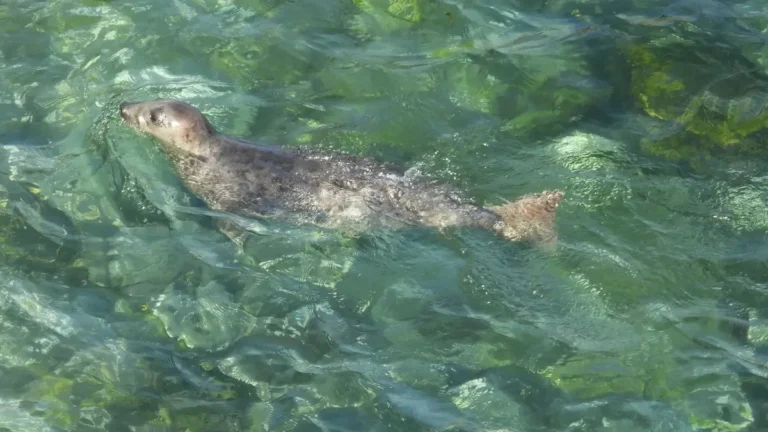
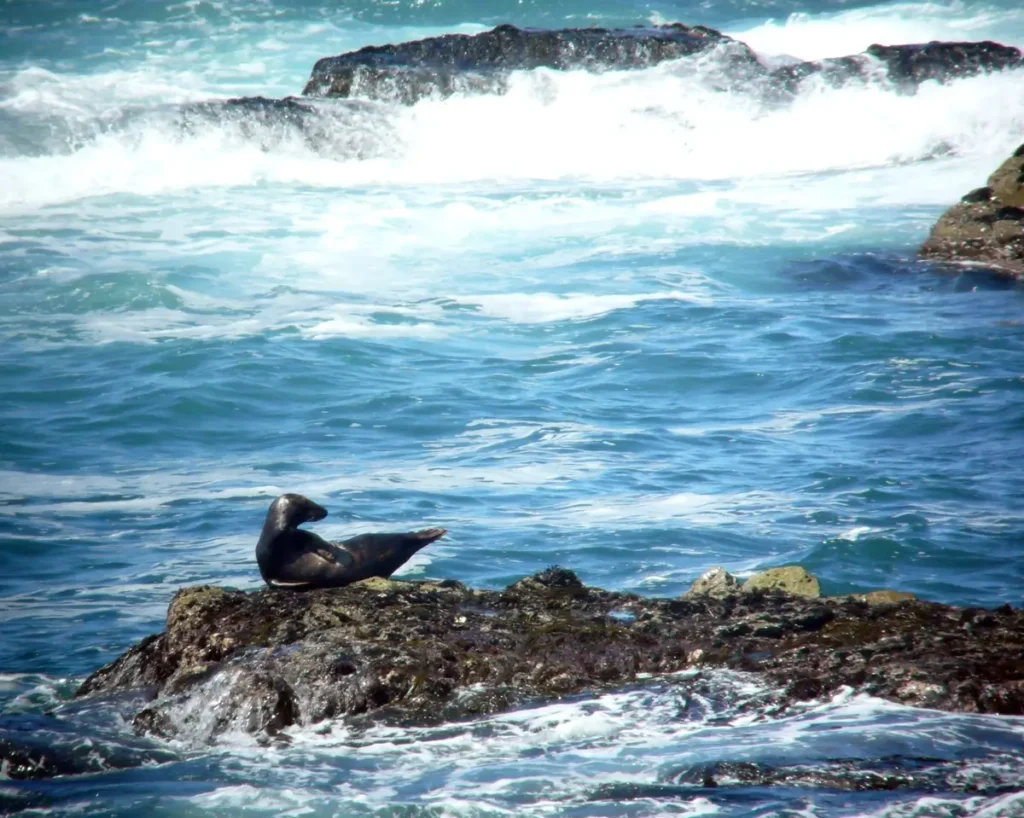
We’re naturally inquisitive beings us humans and I’ve been guilty myself of supposing that a seal who pops up out of the water next to my kayak is simply doing so out of the same joyful curiosity. I’ve slowed to a halt in the past and wanted to hang-out and exchange a little ‘hello’ with our ‘selkie’ friends.

When we stop paddling around seals and remain stationary, the science suggests the seal is having a reaction quite the opposite of our own human response. For seals, silent water craft, like kayaks and paddleboards, resemble Orca, their natural predator. If you see a seal looking at you from the water repeatedly, it is certainly nervous, has a raised heart and breathing rate, because it thinks it’s next on the menu.
Whilst this may seem minimal, seals have been known to stay alert for up to an hour after being disturbed, meaning energy is wasted and not reserved. Recognising how seals respond to human disturbance is important in helping us to avoid causing undue stress.
The Seal Research Trust, forming part of the Seal Alliance, have been working hard to educate paddlers to never deliberately seek encounters with seals, and to stay at least 100 meters away from seals. They recommend that if a seal approaches your kayak or paddleboard, then enjoy the moment by drifting slowly and quietly away. Please resist the urge to hang-out with these beautiful guys.
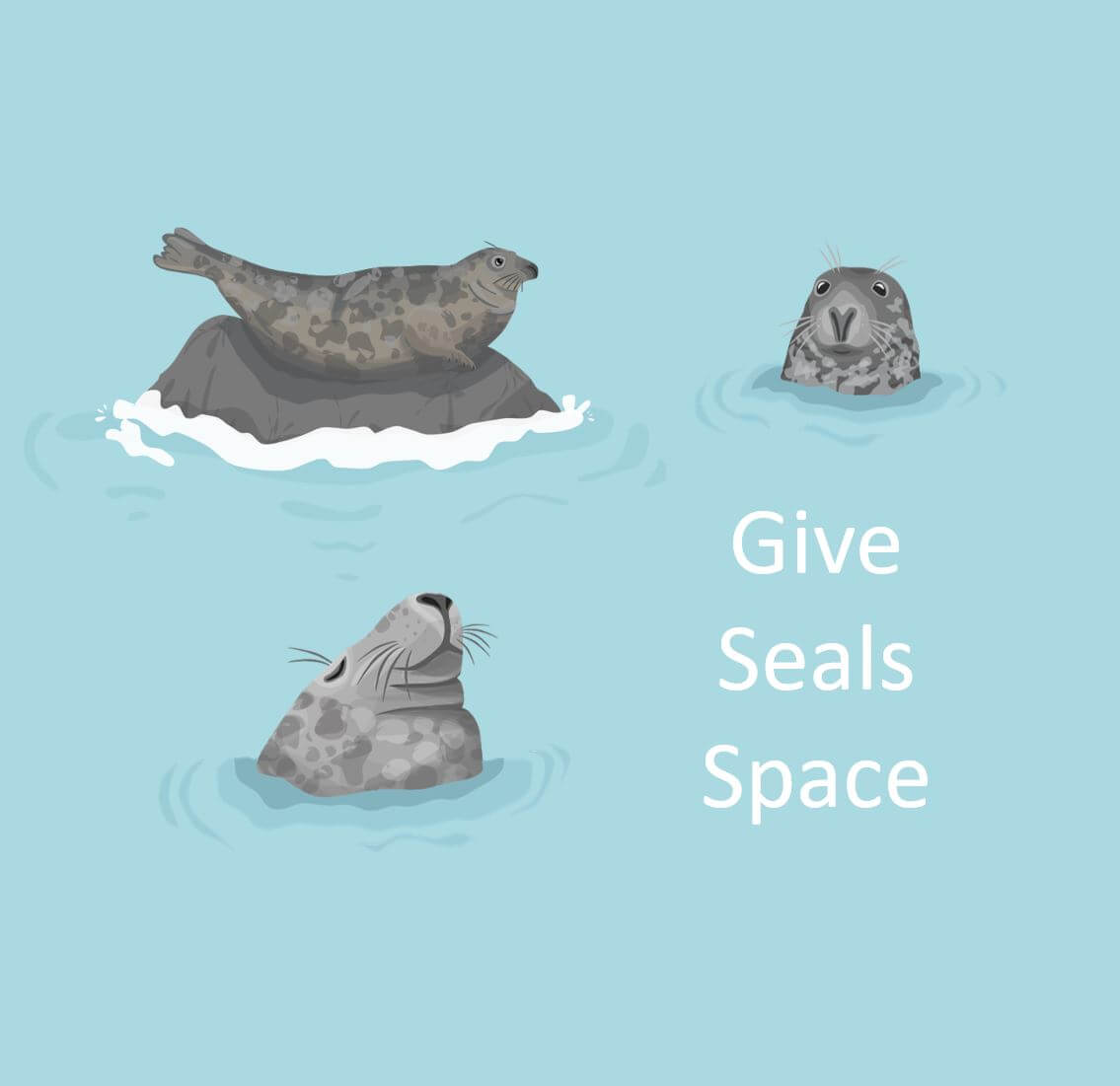
The Seal Research Trust recommends:
Stay at least 100 metres from seals
Never deliberately approach them
If a seal approaches you, drift quietly away
Download media and resources to use in your local area
British Canoeing suggest, should a seal attempt to get onboard, stay relaxed and gently use your paddle to prevent this from happening. If a seal is following you, keep moving. These are simple steps we can all take to limit our impact.
What to do if you find a seal on the beach:
Responsible Paddling: Whales, Dolphins, & Porpoises
Its an unforgettable experience seeing a whale, dolphin or porpoise. Unfortunately, all of these ocean giants are susceptible to human disturbance, just like our seals.
Our seas are certainly getting busier and our paddling activities can disrupt natural behaviour if we’re not careful. Our presence can cause changes to an individual’s breathing, hamper their ability to feed or stop them getting the rest they need. Mothers with calves are particularly vulnerable and repeated human disturbance can even drive whales and dolphins away from the places that are important to them.
Recommended steps we can all take include keeping your distance and avoid getting too close, especially if calves are present. Go slow, stay back and don’t chase is the key message to paddlers.
Try not to make sudden changes to your speed and direction, and maintain a slow course if approached. Keep kayaks together, be quiet and calm and let the whale or dolphin control the encounter. It’s important not to paddle between individuals, scatter groups or box them in.
If you come across a stranded, injured or entangled seal, porpoise, dolphin or whale, do not approach it, touch it, or attempt to return it to the sea. Please report it to the British Divers Marine Life Rescue on 01825 765 546. The charity has a network of first responders and works closely with rehabilitation centres across the whole of the country.

British Divers Marine Life Rescue says:
Keep your distance—especially from calves
Move slowly and avoid chasing or sudden changes in direction
Stay together as a group
Let the animal control the encounter
Never paddle between or encircle individuals
What to do if you find a live stranded whale, dolphin or porpoise
Inland Encounters: Paddling Near Otters and River Wildlife
The Eurasian otter, native to the British Isles, lives in coastal habitats, as well as lakes, rivers and streams. Coastal otters generally have much smaller home ranges than their riverine counterparts, and they need access to fresh water to maintain their furry jackets.
They’re a conservation success story, having been brought back from the brink of extinction. Its really amazing that you’re more likely to see an otter now than at any time in the past 60 years. These sleek and playful creatures are a real joy to watch as they twist and dive in the water, especially when encountered from your canoe or kayak.
However, we should never set out to chase an encounter with an otter. If you happen upon one of these agile predators then cherish the moment, but it is important to remain quiet and give them lots of space and respect so they can go about their everyday business of survival.
Don’t approach otter holts closely in your kayak or canoe, where adults may be feeding cubs, and avoid blocking routes to and from the sea, particularly where otters need to access fresh water. Do not pursue an otter if it continuously turns away from your boat. Never share otter sighting locations online, as this can unintentionally encourage harmful behaviours.
Birds and Paddlesports: Protecting Nesting and Roosting Sites
Paddling also provides a fantastic opportunity to observe a wide variety of sea and inland birds. The breeding season runs roughly through April to August, depending upon the exact species. Birds rear their young in burrows and ledges on cliff tops, shingle beaches, river and gravel banks. In the non-breeding season large concentrations of waterfowl use our inland waters and estuaries to feed and settle over winter.
Always stay a safe distance from nesting birds on cliffs and avoid high tide roosts of shore birds, and feeding concentrations. Likewise, be vigilant for nests on the ground, particularly when landing your craft on shingle beaches or river banks. Eggs are often camouflaged very simply amongst the stones, making them difficult to spot.
Flushing (birds leaving nests or roosts), is the most common form of disturbance that can have a big impact. This can lead to nest abandonment, increased predation of eggs and chicks, and delayed hatching. Take care not to put up flocks.


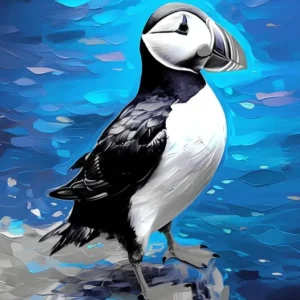
Take Care To:
Avoid disturbing cliff nesting sites and ground nests
Steer clear of high tide roosts and feeding flocks
Watch for camouflaged eggs when landing
Avoid putting up large flocks unnecessarily
If you find animals in a sea cave, back out slowly—do not block their exit.
Birds often nest and roost in sea caves and seals sometimes haul out at the back of caves at low tide. If you encounter wildlife in a sea cave, back out slowly as you are likely to be blocking an ‘escape’ route. Hug the wall where safe to do so.
Spot the Signs: How to Recognise Wildlife Disturbance

Its always important to keep an eye out for the wild things when paddling. As soon as you see an animal, start to assess how you are interacting with it and whether its showing signs of disturbance, such as ‘heads up’ responses, alarm calls, sudden movements or aggressive behaviour. The more aware we are, the better we can adapt our paddling to limit our impact.
Paddle Lightly, Paddle Responsibly
One of the great pleasures of paddling is exploring the quiet corners of our landscape. These are often sensitive spaces—places where wildlife thrives because human presence is rare.
As paddlers, we have a unique opportunity to experience the wild without leaving a trace. Let’s tread lightly, stay observant, and protect the waters and the life they support.
Seal photos and graphics used with kind permission of The Seal Research Trust.
Thanks also to British Divers Marine Life Rescue.


